About Panchawahini Temple
Maa Panchbahini Temple is in Labga village of Patratu block, close to the Patratu reservoir landscape. Ramgarh district identifies it as a religious destination and the Patratu Dam page describes the shrine as significant to the area. The name refers to the worship of the goddess as Panchbahini, while accounts of origins and age belong to local sacred tradition unless supported by inscriptions or archival study. Its setting allows a visit to be understood through both devotion and the changing water-and-hill landscape around Patratu.
Panchawahini Temple has a defensible identity in the cited sources: Maa Panchbahini Temple at Labga village in Patratu block, close to the Patratu reservoir. That statement is more useful than a string of promotional adjectives because it tells readers what is physically or institutionally distinct. It also protects the entry from absorbing claims attached to another lake, shrine, hill or town. A publication-ready account should keep this central fact visible throughout the description and allow uncertainty to remain where the official material is silent.
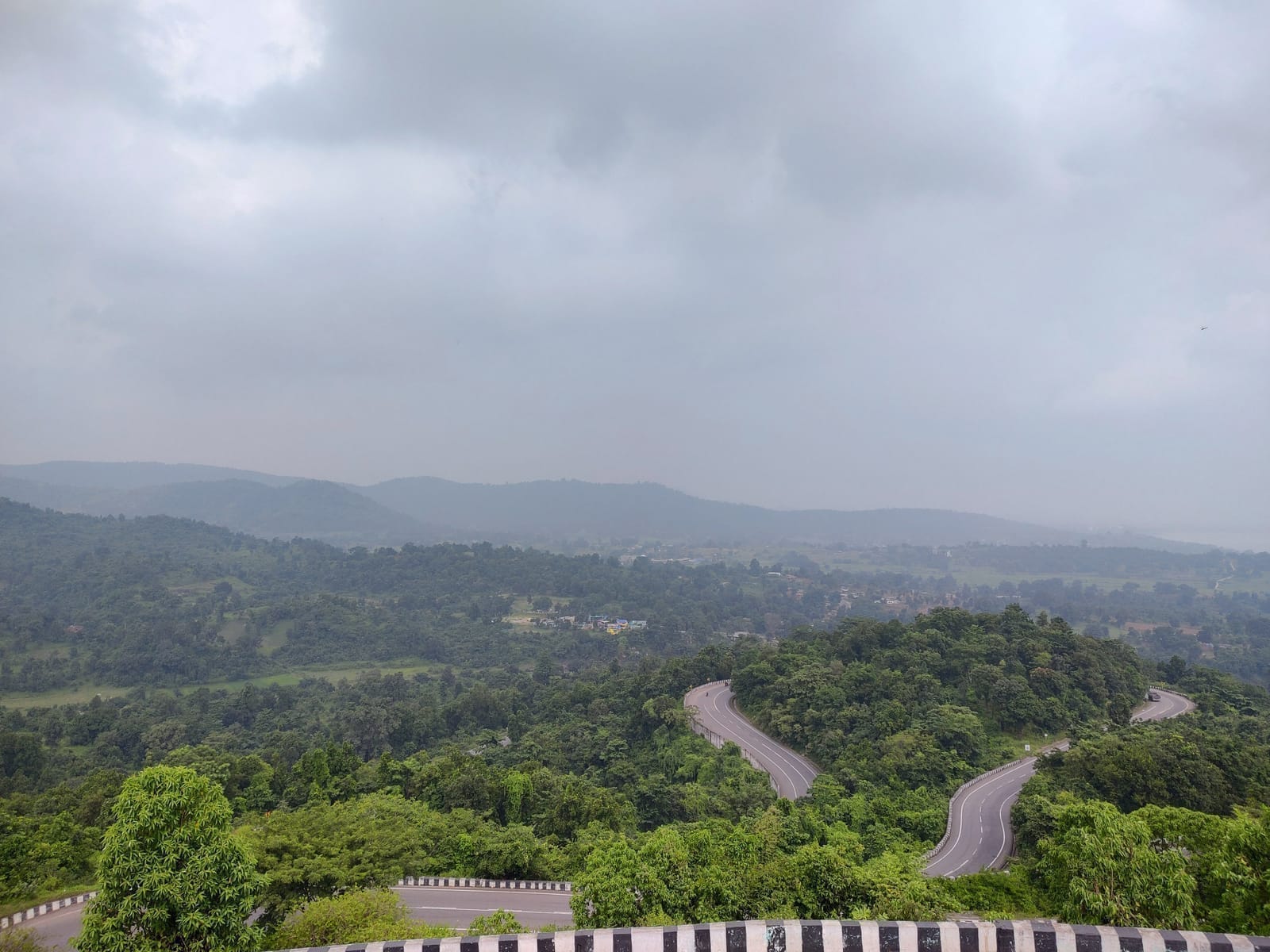
The larger setting is Labga’s devotional life and the surrounding hill-and-water landscape. Reading Panchawahini Temple at that scale explains connections among terrain, infrastructure, settlement, worship and livelihood. The approach itself can show how the scene changes from road or neighbourhood to water, summit, sanctum, forest or industrial edge. Those transitions are part of the destination’s story; they are also a reminder that the surrounding area is used every day and is not simply vacant tourism space.
The most relevant visitor responsibilities arise from active worship, temple-led photography rules and the difference between sacred tradition and dated history. Conduct should follow the actual character of the place: barriers around working infrastructure, quiet at worship, distance from animals, consent in neighbourhoods, or restraint around fragile rock and masonry. Photography must never override safety, prayer, industrial security or personal privacy. Carrying waste away and using only public or custodian-approved approaches protects both the documented feature and the people who maintain or depend on it.
Seasonal or operational change affects how Panchawahini Temple can be understood. Rain may alter water level, current, vegetation, footing and road conditions; dry weather may expose banks, rock, built fabric or the geometry of a planned landscape. A temple or mosque follows its religious calendar, while a dam, zoo, park or industrial property follows management rules. The cited sources establish identity and context, but they do not make every service, route, sighting or access condition permanent.
Interpretation at Panchawahini Temple should distinguish direct evidence from attribution. Visible landform, water, buildings, official plans and continuing use can be described plainly. A local miracle, epic association, remembered patron or colonial link belongs to tradition unless supported by an inscription, archive or specialist study. Conversely, uncertainty is not a reason to dismiss community memory. Labelling each kind of knowledge lets readers respect belief and oral history without converting them into an invented date or archaeological conclusion.
A strong visit concentrates on Maa Panchbahini Temple at Labga village in Patratu block, close to the Patratu reservoir and then relates it to Labga’s devotional life and the surrounding hill-and-water landscape. Time for observation, an authorised guide where appropriate and conversation with local custodians offers more value than racing through a checklist. Spending at nearby services can support the area when it is welcomed, but homes, rituals, workplaces and restricted compounds remain outside casual tourist entitlement. This focused approach leaves active worship, temple-led photography rules and the difference between sacred tradition and dated history undisturbed and gives the destination a specific narrative that cannot be swapped with another Jharkhand attraction.