About Patratu Valley & Dam
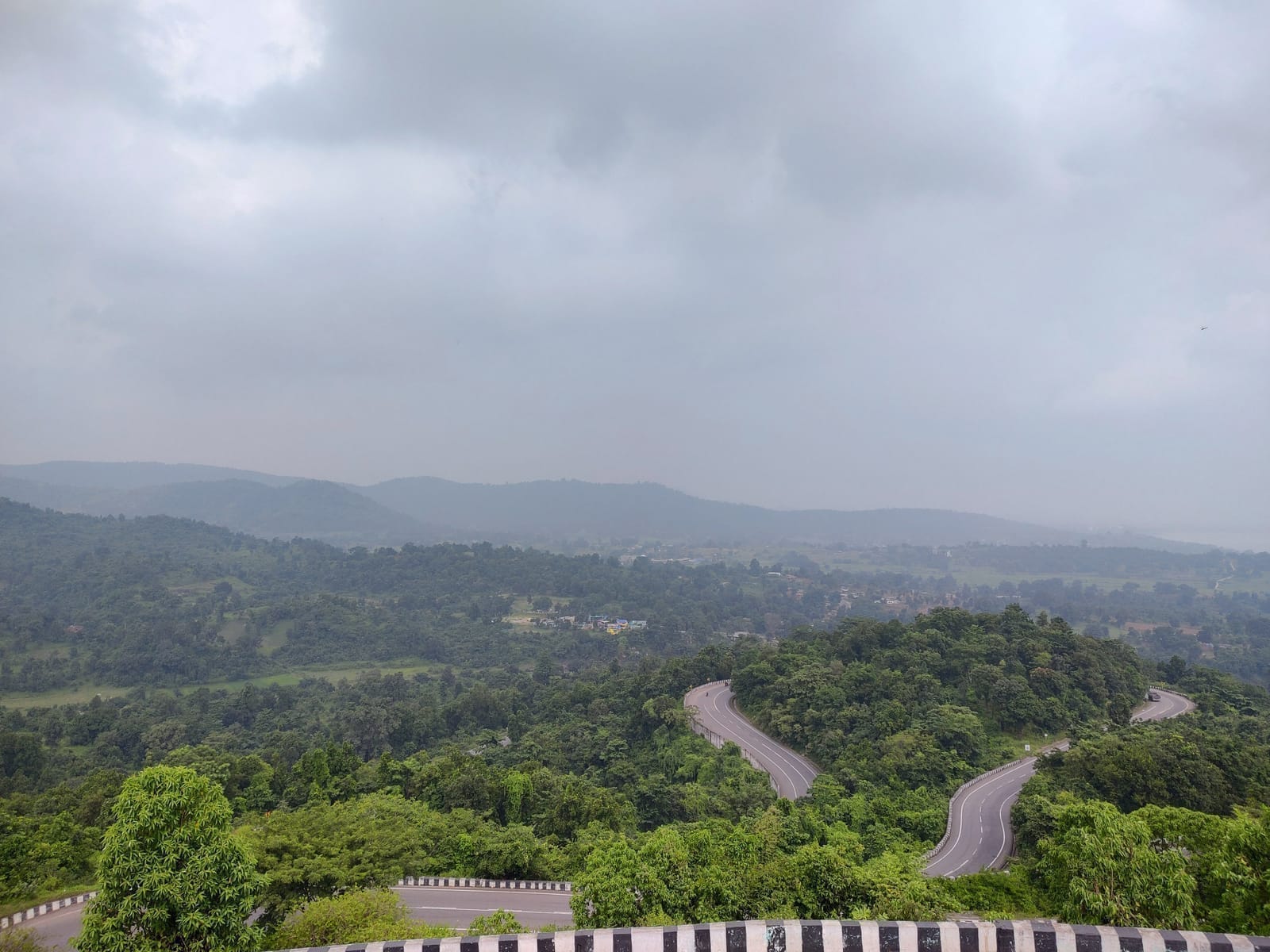
Patratu Valley is a local scenic and cultural landscape associated with Ramgarh in the source list. Patratu Valley is defined by the winding ghat road, forested ridges and repeated views toward the Nalkari reservoir, making the journey itself central to the experience. Patratu Valley is the scenic approach landscape around Patratu Dam and the Nalkarni reservoir, about 30 km west of Ramgarh. The district describes a reservoir fed by the Nalkarni River and surrounding hill waterfalls, with winding hill roads on three sides. The dam was built to supply Patratu Thermal Power Station and is also a popular picnic and viewpoint destination, especially in winter. The adjacent Panchawahini temple adds a religious stop to the landscape.
Patratu Valley is defined by its winding ghat road, forested ridges and repeated views toward the Nalkari reservoir. The journey through bends and changing elevation is the attraction, not one fixed observation deck. Ramgarh district connects the valley with Patratu Dam, surrounding hill streams and the nearby Panchawahini temple.
Road engineering, wooded slopes and glimpses of stored water together explain why the approach has become an important regional landscape. Patratu Valley is defined by its winding ghat road, forested ridges and repeated views toward the Nalkari reservoir. Photography belongs at lawful pull-offs, never on blind bends or the carriageway; valley fog, rain and traffic can reduce visibility even when the reservoir view is clear.
Residents are not scenery. Permission is necessary before photographing people, homes, rituals or work, and oral explanations should be credited. Visitors should buy locally where appropriate, keep music low and carry all waste away. The wider setting includes Patratu Dam, Chuttupalu Valley, Rajrappa / Chhinnamastika Mandir, Bhairavi Ghat, but combining stops should never come at the cost of safety or respect. A thoughtful account leaves room for both public history and local ownership.
Patratu Valley gains significance from a combination of terrain, community memory and everyday use. It may include a spring, viewpoint, townscape, boulder formation or valley rather than a formally bounded monument. That makes close observation essential. Rock, water, vegetation, roads and settlement each contribute evidence about how people have understood the place. Legends should be introduced as traditions, while visible features and documented public records provide the factual foundation.
These details give Patratu Valley an identity rooted in its own geography, history and community use. Visitors should rely on documented features, identify traditions as traditions and let current public rules govern the practical visit. Staying on authorised routes, respecting worship or conservation, and carrying waste away protect the place while allowing its story to be told accurately.
Ramgarh district connects the valley with Patratu Dam, surrounding hill streams and the nearby Panchawahini temple. Road engineering, wooded slopes and glimpses of stored water together explain why the approach has become an important regional landscape. The journey through bends and changing elevation is the attraction, not one fixed observation deck.
Photography belongs at lawful pull-offs, never on blind bends or the carriageway; valley fog, rain and traffic can reduce visibility even when the reservoir view is clear. The reason is specific to this place: the journey through bends and changing elevation is the attraction, not one fixed observation deck. Ramgarh district connects the valley with Patratu Dam, surrounding hill streams and the nearby Panchawahini temple.
How to Reach Patratu Valley & Dam
Nearest Airport: Birsa Munda Airport, Ranchi (IXR) connects with direct flights from Delhi, Mumbai, Bengaluru, Kolkata
Nearest Railway Station: Barkakana (22 km) / Ranchi (35 km) is the primary railhead with frequent express connections across Eastern and Northern Railway networks
Road Access: Well-connected via state highways from Ramgarh headquarters. Regular JTDC tourist buses, private taxis, and shared cabs ply frequently.