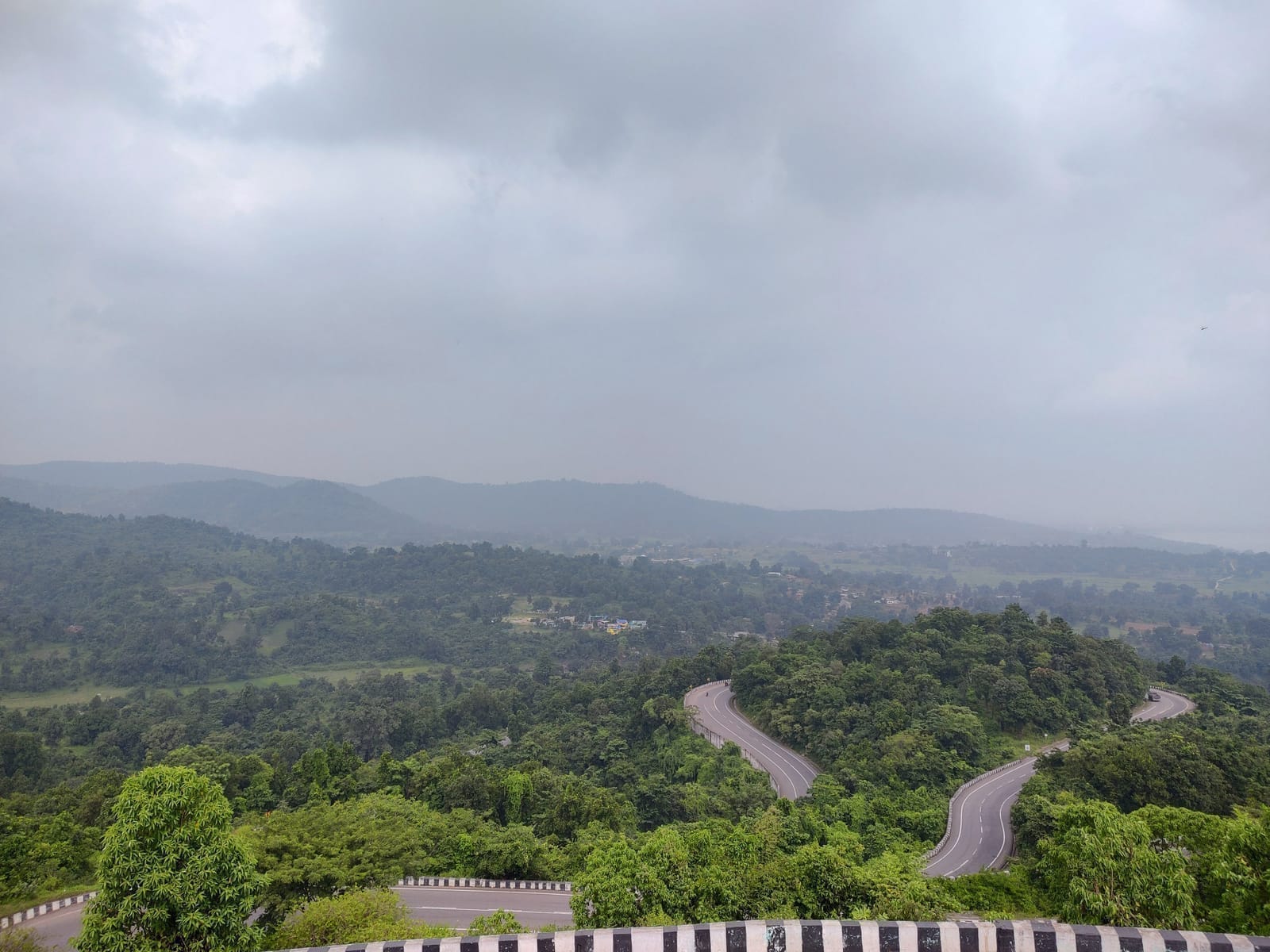
About Deori Temple area
Deori Temple area is a living religious place associated with Giridih in the source list. The well-known Deori or Dewri Temple associated with a sixteen-armed Goddess is in Tamar, Ranchi district, not Giridih; a Giridih record needs an exact local temple identity before it can inherit that history. Interpret the place through its landscape, community or historical value and avoid inventing dates, facilities, access rights or activity operators. Visitors should use public or authorised approaches, respect residents and religious practice, carry waste out and follow local safety directions. Water edges, steep rock, forests, industrial land and active works require particular caution.
Cooler months generally support comfortable travel, while the principal religious season may bring heat, rain or very large crowds. Current traffic controls and ritual arrangements should guide the day. Nearby heritage or nature sites can complement the visit when given separate time, but sacred spaces should not be rushed simply to increase a checklist. The best account of Deori Temple area combines documented features, clearly labelled tradition and practical respect.
Deori Temple area is sustained by worship rather than by tourism alone. The sequence of arrival, offerings, prayer and festival gathering gives the place its cultural meaning. Architecture and sculpture can be described where sources support them, but origin legends, miraculous events and epic associations belong to religious tradition unless inscriptions or archaeological work establish a date. Clear attribution respects devotion and protects readers from confusing faith with documentary history.
The Giridih-labelled Deori Temple area must be distinguished from the famous Dewri Temple at Tamar in Ranchi district. The Tamar shrine’s sixteen-armed goddess and published history cannot be transferred to an unnamed Giridih temple merely because the names sound alike. Giridih district’s broad listing supports a local religious place but does not establish the exact deity, village or architectural lineage in this record.
The exact setting distinguishes Deori Temple area: a hill, tree, river edge, market town or forest approach may be inseparable from the way the shrine is remembered. Visitors should notice that landscape without entering private property or staging residents for photographs. Vendors, priests, drivers and caretakers all participate in the pilgrimage economy. Prices for services should be agreed politely, and donations should use recognised channels where they exist.
These details give Deori Temple area an identity rooted in its own geography, history and community use. Visitors should rely on documented features, identify traditions as traditions and let current public rules govern the practical visit. Staying on authorised routes, respecting worship or conservation, and carrying waste away protect the place while allowing its story to be told accurately.
Accurate publication begins by naming the Giridih locality and custodian, after which its own ritual and material features can be described. The Giridih-labelled Deori Temple area must be distinguished from the famous Dewri Temple at Tamar in Ranchi district. Visitors should use only the locally confirmed shrine and avoid relying on search results or route directions that lead to the unrelated Ranchi district destination.
Giridih district’s broad listing supports a local religious place but does not establish the exact deity, village or architectural lineage in this record. Accurate publication begins by naming the Giridih locality and custodian, after which its own ritual and material features can be described. The Tamar shrine’s sixteen-armed goddess and published history cannot be transferred to an unnamed Giridih temple merely because the names sound alike.