Hazaribagh Travel Guide: Lakes, Canary Hill, Wildlife & Heritage
Plan a Hazaribagh trip with the town lakes, Canary Hill, wildlife landscape, nearby heritage, transport, seasons and responsible travel tips.
 Hazaribagh Travel Guide: Lakes, Canary Hill, Wildlife & Heritage
- Published Date
- August 15, 2026
- Author
- Jhar Dharohar (Editorial Desk)
A two-day guide to Hazaribagh's plateau townscape, linked lakes, wooded hills, wildlife history and nearby cultural heritage.
Meet the plateau city
Hazaribagh sits on the Chotanagpur Plateau in northern Jharkhand, roughly 93 kilometres by road from Ranchi according to the district administration. Its name is often translated poetically as a land of a thousand gardens, but the city's real appeal comes from a more grounded combination: a cooler plateau setting, linked urban lakes, wooded hills, institutional history and access to surrounding forest and archaeological landscapes. A useful Hazaribagh travel guide should not promise a conventional hill station. This is a working district town whose natural and cultural sites reward travellers willing to slow down, walk early, read local history and make careful day trips.
Hazaribagh Lake
The town's best-known public landscape is Hazaribagh Lake, a series of connected artificial water bodies at different levels. The district page describes seven sections, with water passing between them through spill channels. The largest views are often associated with the third lake, particularly around sunrise and sunset. Treat it as an urban ecological space rather than a theme park. Walk the edge where paths are public, watch resident and visiting birds from a distance and keep plastic out of drains. Boating or other facilities mentioned online may not operate continuously, so confirm them locally. Early morning brings softer light and less traffic, while evenings attract families and walkers.
Canary Hill
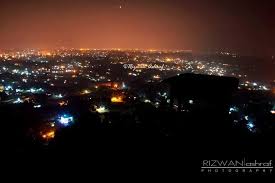
Canary Hill lies only a few kilometres from town and gives broad views across Hazaribagh's plateau setting. Official descriptions mention a hilltop building and surrounding woodland. The approach can involve steps, slopes and uneven surfaces, so wear shoes with grip and carry water. Visit in daylight and ask locally about access because maintenance or entry arrangements can change. Do not wander into forest after dark, feed animals or play loud music. The hill works best as a quiet morning outing paired with the lakes, not as an isolated late-evening adventure. Misty winter mornings and monsoon greenery are photogenic, but rain makes stone and soil slippery.
The wildlife sanctuary landscape
Hazaribagh's former national park and wildlife sanctuary landscape forms an important part of the district's conservation history. Older descriptions may still use 'Hazaribagh National Park,' while current legal status, visitor zones and facilities should be checked with the Jharkhand Forest Department. Do not expect a guaranteed big-animal sighting. A forest visit is about habitat: sal woodland, dry plateau vegetation, seasonal water, tracks, bird calls and the chance to understand how roads and settlements meet protected areas. Enter only through authorised routes, use approved guides where required and never encourage a driver to chase wildlife. If public entry is restricted, respect the closure and choose another nature experience.
Culture, art and archaeology around Hazaribagh
The wider Hazaribagh region is associated with Sohrai and Khovar mural traditions, often created by women using earth colours and locally rooted motifs. These arts should be encountered through invited village visits, museums, documented cultural centres or direct artisan relationships—not by entering homes to photograph walls without consent. The district also contains megalithic and archaeological sites, including locations around Pakri Barwadih and other village landscapes. Their interpretation requires care because stones may remain connected with community memory. Do not climb, move or chalk markings onto them. Ask a qualified local researcher or guide before presenting a stone arrangement as prehistoric or assigning an exact date.
A two-day Hazaribagh itinerary
On day one, begin with sunrise or an early walk at Hazaribagh Lake. Have breakfast in town, then visit Canary Hill before the midday heat. Use the afternoon for a local museum, craft contact or a relaxed circuit of the town rather than racing to a distant site. Return to the lake near sunset. On day two, choose one focused excursion based on verified access: the sanctuary landscape, a documented megalithic location, Surajkund near Barkatha, or a craft and village visit arranged through a credible local contact. Surajkund is known for hot springs, but water temperatures and bathing areas demand caution. Long-distance combinations should account for highway traffic and daylight.
How to reach and get around
Road remains the simplest access from Ranchi, Koderma, Gaya, Dhanbad and nearby districts. Hazaribagh Town railway station serves the city, while some travellers may use other railheads depending on the current timetable. Birsa Munda Airport in Ranchi is the main air gateway for many itineraries. Inside town, auto-rickshaws and hired cars are practical, but agree on the destination and fare before departure. For rural heritage or forest sites, use a known driver who understands the return route. Download maps for offline use and avoid depending on the last bus from a remote stop.
Where to stay and what to eat
Hazaribagh has hotels and guesthouses serving business and leisure travellers. Choose a central property for lake and town access, or a quieter edge location if transport is arranged. Verify hot water, parking, lift access and power backup directly. Local meals often include rice, dal, seasonal vegetables, roti and regional snacks; dishes associated with Jharkhand may be available depending on season and kitchen. Ask rather than assuming a menu item is traditional. Drink reliably treated water and favour busy restaurants serving freshly cooked food. Travellers interested in forest foods should never self-identify mushrooms or plants.
Best season and practical cautions
October to March brings comfortable days and cool evenings. Summer can be hot despite the plateau elevation. Monsoon transforms the landscape but increases road, slope and water hazards. Carry a light layer in winter, sun protection year-round and rain gear in the wet season. Current fees, opening hours, boating, sanctuary access and guide requirements can change. Check district and forest notices shortly before travel. Hazaribagh's distances look modest on a map, but rural roads and stops can make day trips slower than expected.
Travel that benefits the place
Use local drivers and guides, buy art directly from makers where possible and obtain consent before photographing people or homes. Carry waste back from hills, forests and megalithic sites. Keep noise low around lakes and wildlife areas. Avoid geotagging fragile or poorly protected archaeological remains if increased traffic could cause damage. A strong Hazaribagh itinerary balances well-known public spaces with carefully arranged cultural learning. The result is a trip that sees the city on its own terms rather than treating it as a quick halt between Ranchi and Bihar.
How many days are needed for Hazaribagh?
Two days cover the town lakes, Canary Hill and one carefully chosen day trip. Add a third day for deeper craft or heritage exploration.
Is Hazaribagh a hill station?
It is a plateau city with hills and a relatively moderate climate, but visitors should not expect a compact resort-style hill station.
Can tourists visit Hazaribagh Wildlife Sanctuary?
Access and visitor arrangements can change. Confirm the current legal status, open zones and entry process with the Forest Department.
What is the best season for Hazaribagh?
October to March is generally comfortable. Monsoon is green but requires added care on roads, slopes and around water.